Iptv Box Installation Uk
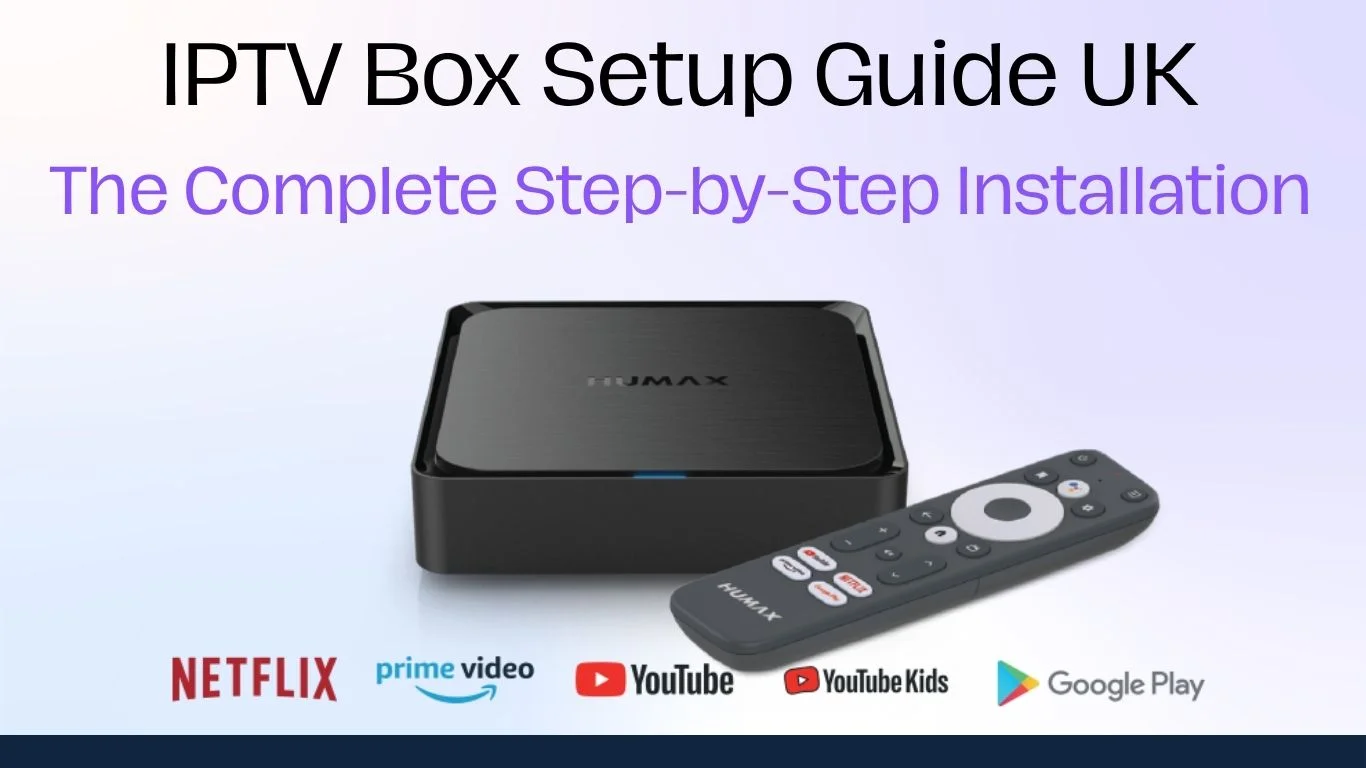
IPTV, or Internet Protocol Television, has changed how we watch media. It’s made watching TV easier and more accessible. But, it’s also led to a big problem: IPTV piracy. This issue is complex, mixing the rights of creators with what viewers want.Questions about intellectual property and fair use are at the core of this debate. IPTV piracy is a big worry for networks and content makers. It affects not just the law but also the future of entertainment and the people who make it.
Key Takeaways
- IPTV piracy has raised complex ethical questions about the value of intellectual property and fair use in the digital age.
- The practice of unauthorised content distribution has significant consequences for the entertainment industry, content creators, and consumers.
- Understanding the technology and legal implications of IPTV piracy is crucial in navigating this evolving landscape.
- Balancing consumer desires with the needs of the industry is essential in finding sustainable solutions to this ethical dilemma.
- Educating the public and promoting responsible streaming practices are key to addressing the challenges posed by IPTV piracy.
Understanding IPTV and Its Popularity
In today’s world, streaming services have changed how we watch entertainment. IPTV, or Internet Protocol Television, is at the heart of this change. It brings TV content over the Internet. Its growing popularity shows how it’s changing how we watch TV.
What Is IPTV?
IPTV uses the Internet to send TV shows. It lets viewers watch what they want, when they want. This is different from old TV ways like cable or satellite.
Rise of Streaming Services
More people want streaming piracy and online video piracy. They like the control and ease of streaming services. This makes streaming more popular than traditional TV.
Why People Prefer IPTV
- Flexibility: IPTV lets you watch what you want, when you want. You can pause, rewind, and record shows.
- Content Variety: IPTV has lots of live channels, movies, and TV shows. It meets many tastes and interests.
- Cost-Effectiveness: IPTV is cheaper than cable or satellite TV. It’s great for those who want more content without spending a lot.
As more people want IPTV Piracy and streaming piracy, IPTV will keep growing. It’s changing how we enjoy entertainment online.
“The rise of IPTV has revolutionised the way we consume television, offering greater flexibility, content variety, and cost-effectiveness for modern consumers.”
“The rise of IPTV has revolutionised the way we consume television, offering greater flexibility, content variety, and cost-effectiveness for modern consumers.”
Defining IPTV Piracy
IPTV piracy is a big issue in the world of digital content. IPTV means watching TV over the internet, not through traditional means. It’s important to know the difference between legal and illegal IPTV use.
What Constitutes IPTV Piracy?
IPTV piracy, or copyright infringement, happens when people watch or share TV content without permission. This includes using illegal streaming services or sharing IPTV login details. It also includes making and sharing IPTV services without a licence.- Accessing copyrighted content through unauthorised IPTV services
- Sharing login credentials for paid IPTV services with others
- Creating and distributing unlicensed IPTV services
Legal Implications in the UK
In the UK, IPTV piracy is a serious crime. The Copyright, Designs and Patents Act 1988 and the Digital Economy Act 2017 deal with it. People caught can face fines or even jail, depending on the case.
“IPTV piracy is not a victimless crime. It undermines the entire content creation and distribution ecosystem, robbing creators and networks of rightful earnings.”– Industry SpokespersonThe laws on IPTV piracy are changing all the time. Authorities and content providers are fighting against it. As more people want streaming services, knowing the risks and laws is key.
“IPTV piracy is not a victimless crime. It undermines the entire content creation and distribution ecosystem, robbing creators and networks of rightful earnings.”– Industry Spokesperson
The Appeal of IPTV Piracy
IPTV services are getting more popular, but so is the problem of illegal IPTV subscriptions. People are drawn to IPTV piracy for several reasons. These reasons make it hard for legal services to compete.
Cost-Effectiveness
One big reason for IPTV piracy is saving money. Legal streaming and cable TV are getting pricier. But, illegal IPTV subscriptions are much cheaper. This makes them attractive to those wanting lots of content without spending a lot.
Access to Exclusive Content
Another reason is getting content not available legally. Fans of special shows or international TV find IPTV piracy useful. It lets them watch content they can’t get elsewhere, making it more appealing.Netflix £5.99 – £13.99 per month Wide range of movies and TV shows, but limited access to live sports and some exclusive content Amazon Prime Video £7.99 per month or £79 per year Extensive library of movies, TV shows, and some live sports, but limited access to certain content Illicit IPTV Subscription £5 – £20 per month Unrestricted access to a vast array of live TV channels, on-demand content, and premium programming
The table shows how legal streaming services and illegal IPTV subscriptions differ. It points out why people might choose the cheaper, more comprehensive option of IPTV piracy.
| Netflix | £5.99 – £13.99 per month | Wide range of movies and TV shows, but limited access to live sports and some exclusive content |
| Amazon Prime Video | £7.99 per month or £79 per year | Extensive library of movies, TV shows, and some live sports, but limited access to certain content |
| Illicit IPTV Subscription | £5 – £20 per month | Unrestricted access to a vast array of live TV channels, on-demand content, and premium programming |
The Consequences of IPTV Piracy
The rise of illegal IPTV services has serious effects on users and the media industry. The promise of cheap access to lots of content is tempting. But, IPTV piracy comes with big risks and legal troubles.
Risks for Users
People using pirate IPTV services face many dangers. They could face legal action from authorities. They also risk malware, data breaches, and other cyber threats.These illegal services don’t have the safety features of legal streaming sites.
Impact on Content Creators
IPTV piracy hurts content creators and the media world. Pirate IPTV services cut off creators’ income from real viewers. This reduces the money for making and sharing quality content.
Legal Actions Taken Against Piracy
- In the UK, law enforcement, like the Federation Against Copyright Theft (FACT), is fighting pirate IPTV. They issue warnings and make arrests.
- Worldwide, content owners and distributors work with authorities to take legal action against IPTV piracy.
- These steps aim to stop illegal IPTV services. They protect content creators and legal providers.
While IPTV piracy might seem appealing, the dangers are real. It’s wise for viewers to choose legal streaming options. This supports the content they love and the industry that makes it.
Ethical Considerations of IPTV Piracy
The debate on IPTV piracy is complex. Some say it’s a way to fight high streaming costs. Others see it as a big no-no against intellectual property rights. We need to look at what different groups in the industry think.
Is It Ever Justifiable?
Some people think IPTV piracy is okay because legal streaming is too expensive. They say it lets them watch more without spending a lot. But, they don’t think about how it hurts creators and the media world.
Perspectives from the Industry
Creators and media companies see things differently. They say piracy takes away their money, which could hurt their work. This might make the content less good and less varied for us.
“IPTV piracy is a serious threat to the sustainability of the media industry. It undermines our ability to invest in high-quality, original content that viewers deserve.”– John Smith, Chief Executive Officer of a major media conglomerateThe debate on IPTV piracy is ongoing. Finding a way to balance what people can afford and what creators need is key.
“IPTV piracy is a serious threat to the sustainability of the media industry. It undermines our ability to invest in high-quality, original content that viewers deserve.”
The Technology Behind IPTV Piracy
As online video piracy grows, it’s key to know how it works. IPTV piracy uses advanced tools to break copyright laws. It lets users watch content they shouldn’t.
How IPTV Piracy Works
IPTV piracy streams TV and movies online, skipping traditional TV. Pirate IPTV uses special boxes or software. This lets them share content without permission.
Tools and Technologies Used
Pirate IPTV uses many tools to operate. These include:- Illegal IPTV servers to host content
- VPNs to hide where streams come from
- Streaming protocols like RTMP for efficient delivery
- Systems for managing user accounts and payments
- Bots and scripts to find and add new content
These tools make pirate IPTV easy and cheap. It’s hard for authorities to stop.Illegal IPTV Servers Servers used by pirate IPTV providers to host and distribute unauthorised content Enables the storage and delivery of copyrighted material without permission VPNs Virtual Private Networks used to mask the origin of the pirated streams and avoid detection Helps pirate IPTV providers evade law enforcement and regulatory measures Streaming Protocols Protocols like RTMP used to efficiently deliver the pirated content to end-users Ensures a seamless streaming experience for users of pirate IPTV services
IPTV piracy’s tech shows we need a strong plan to fight it. This plan should use both tech and law.
| Illegal IPTV Servers | Servers used by pirate IPTV providers to host and distribute unauthorised content | Enables the storage and delivery of copyrighted material without permission |
| VPNs | Virtual Private Networks used to mask the origin of the pirated streams and avoid detection | Helps pirate IPTV providers evade law enforcement and regulatory measures |
| Streaming Protocols | Protocols like RTMP used to efficiently deliver the pirated content to end-users | Ensures a seamless streaming experience for users of pirate IPTV services |
The Role of Legislation in IPTV Piracy
IPTV services are getting more popular, and governments are taking action. In the UK, laws aim to stop IPTV piracy and protect creators’ rights.
Current Laws in the UK
The UK’s copyright laws, like the Copyright, Designs and Patents Act 1988, ban unauthorized use of copyrighted content. If you stream or download illegal content, you could face big fines or even jail time.The UK Government has also introduced anti-piracy measures. These include blocking websites that help with copyright infringement. This has helped reduce IPTV piracy services.
Future Legal Trends
As IPTV and streaming change, so will UK laws. There’s talk of making laws stronger to tackle new piracy methods. This might include better enforcement, more industry and law enforcement work, and new ways to protect digital content.Finding the right balance between creators’ rights and consumer needs is tough. Policymakers will keep trying to find a fair solution. They want to support creativity and give everyone fair access to digital entertainment.- Copyright, Designs and Patents Act 1988
- Website blocking orders
- Penalties for individuals engaging in IPTV piracy
- Strengthening legislation to address emerging technologies
- Increased collaboration between industry and law enforcement
- Exploring new legal frameworks to protect digital content rights
|
|
Consumer Awareness and Education
The IPTV industry is growing fast. It’s key for users to know the difference between legal and illegal streaming. Knowing the risks of IPTV piracy helps us make better choices and stream responsibly.
Identifying Legal vs Illegal Services
Finding your way in IPTV can be tricky. Illegal sites often look like real ones. To pick a legal IPTV provider, look for these signs:- Official branding and licensing information
- Transparent pricing structures and subscription models
- Availability of content through reputable channels like broadcasters and content creators
- Secure payment methods and customer support
Responsible Streaming Practices
Streaming IPTV responsibly is important for everyone. Here’s how to stream ethically:- Choose legal streaming services with fair prices
- Be cautious of free or very cheap IPTV services, as they might be illegal
- Don’t share your IPTV login details with others
- Keep up with legal changes and trends in IPTV piracy
By being aware and streaming responsibly, we help the IPTV world grow in a good way. We support both users and creators. Let’s all work together to make IPTV better for everyone.
Alternatives to IPTV Piracy
There are legal ways for British viewers to watch their favourite TV shows, movies, and live events. Affordable streaming services and convenient subscription bundles are available. These options let you enjoy entertainment ethically, without using illegal streams.
Affordable Legal Streaming Options
Streaming platforms have changed how we watch media. Netflix, Amazon Prime Video, and Disney+ offer a huge library of content for a low monthly fee. They provide high-quality, on-demand streaming, making them a great legal choice.
Bundles and Subscription Services
For a full entertainment experience, subscription bundles are a good option. They combine many streaming services into one package. This includes popular channels, live sports, and premium content, all for a lower price than piracy.Internet service providers and telecom companies also offer bundles. These include TV, broadband, and more, making it easy to get legal access to your favourite shows.Netflix £5.99 – £15.99 TV shows, movies, documentaries Amazon Prime Video £7.99 TV shows, movies, Amazon originals Disney+ £7.99 Disney, Pixar, Marvel, Star Wars, National Geographic BT Sport £15.00 Live Premier League, UEFA Champions League, and more
Exploring these legal alternatives, British viewers can enjoy their favourite content. They support the creative industries and avoid the dangers of piracy.
| Netflix | £5.99 – £15.99 | TV shows, movies, documentaries |
| Amazon Prime Video | £7.99 | TV shows, movies, Amazon originals |
| Disney+ | £7.99 | Disney, Pixar, Marvel, Star Wars, National Geographic |
| BT Sport | £15.00 | Live Premier League, UEFA Champions League, and more |
The Debate on Digital Rights and Fair Use
The digital world is changing fast, making the debate on user rights and fair use in IPTV piracy complex. Content creators and copyright holders say sharing content without permission harms their work and the industry. Users believe they should be able to use digital content fairly and reasonably.
Understanding User Rights
In IPTV, users have rights to access and use digital content. These rights are in laws like the UK’s Copyright, Designs and Patents Act 1988. It talks about “fair dealing” for personal, non-commercial use. But, it’s hard to know where these rights end when it comes to pirated IPTV content.
Fair Use Policies and IPTV
- Fair use policies let people use copyrighted material for things like research or education without asking permission.
- In IPTV, it’s tricky to tell if using pirated content is fair use or copyright infringement. This is because using unlawful content sharing is often not just for personal use.
- The argument over IPTV Piracy and fair use is ongoing. Both sides want to find a way to protect intellectual property and let people use digital content responsibly.
“The digital landscape has created new challenges in the realm of intellectual property rights, and the debate around fair use and IPTV piracy is a prime example of this complex issue.”
As the industry and lawmakers figure out these issues, it’s important for users to learn about their rights and duties. They should also respect the rights of content creators and copyright holders.
“The digital landscape has created new challenges in the realm of intellectual property rights, and the debate around fair use and IPTV piracy is a prime example of this complex issue.”
Simple, Transparent Pricing
Choose the plan that works best for you. All plans include our 30-Day Money-Back Guarantee.
Limited Time Flash Sale!
Prices will return to normal after the timer ends.
Monthly
Perfect for trying out our service
-
28,000+ Live TV Channels
-
Full HD & 4K Quality
-
7-Day Catch Up
-
VOD Library (Movies & Series)
-
Use on 1 Device
-
24/7 Support via WhatsApp
3 Months
Great value for short term
-
28,000+ Live TV Channels
-
Full HD & 4K Quality
-
7-Day Catch Up
-
VOD Library (Movies & Series)
-
Use on 2 Devices Simultaneously
-
24/7 Support via WhatsApp
-
Save over 20% vs Monthly
Annual
Best value for loyal customers
12 Months + 2 Months FREE
-
28,000+ Live TV Channels
-
Full HD & 4K Quality
-
7-Day Catch Up & Recording
-
Premium VOD Library (Updated Daily)
-
Use on 3 Devices Simultaneously
-
VIP 24/7 Support
-
Save over 60% vs Monthly
-
Free Setup Assistance
Quarterly
Popular choice for commitment
-
28,000+ Live TV Channels
-
Full HD & 4K Quality
-
7-Day Catch Up & Recording
-
Extensive VOD Library
-
Use on 2 Devices Simultaneously
-
Priority 24/7 Support
-
Early access to new features
Secure Payment Options
We accept various secure payment methods for your convenience.
Ready for a Longer Test Drive?
Experience the full power of 4K Subscription IPTV with our exclusive 24-hour free trial. Access all 28,000+ channels, VOD, and premium features with no obligation. It's the perfect way to see why we're the UK's favourite IPTV provider!
Contact Us
Have questions or need assistance? We're here to help!
Get in Touch
Email Us
contact@4kukiptv.shop
Available 24/7
Call Us
+447424116014
Available 24/7
Live Chat
Available on our website
Response time: Under 5 minutes
Our Hours
Customer Support: 24/7
Sales Department: Mon-Fri, 9am-6pm GMT
Technical Support: 24/7